


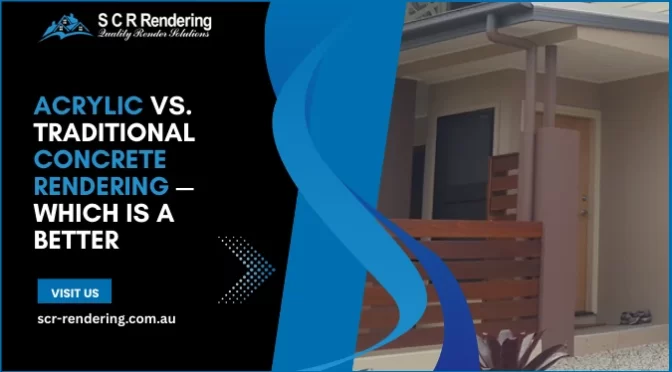
When it comes to improving the look and durability of Brisbane homes, rendering is one of the most popular exterior upgrades. With changing weather conditions, coastal exposure, and modern design trends, choosing the right render can make a big difference. Two of the most common options are acrylic and traditional concrete render, each offering distinct benefits depending on your needs.
Understanding how they differ can help homeowners make a smarter decision when they interact with house rendering professionals.
What Is Acrylic Rendering?
Acrylic rendering is a flexible, polymer-based coating applied to exterior and interior walls. It’s widely used on modern homes because it bonds well to different surfaces, including brick, concrete, and fibre cement. One of its biggest advantages is flexibility, which helps reduce cracking caused by temperature changes.
This type of render is also available in a wide range of colours and textures, making it ideal for homeowners seeking a modern, low-maintenance finish.
What Is Traditional Concrete Rendering?
Concrete rendering is a cement-based mixture applied to masonry walls to create a smooth or textured surface. It has been used in and around Brisbane for decades and remains popular for its strength and affordability. Concrete render provides a solid protective layer that improves weather resistance and enhances wall durability.
While it is highly durable, concrete render can be more prone to hairline cracks if not applied or cured correctly.
Comparing Durability and Maintenance
Acrylic render generally requires less maintenance due to its water resistance and flexibility. It performs well in coastal and high-humidity areas, where moisture can be a concern.
Concrete render, on the other hand, is extremely strong and suits homes exposed to heavy wear. However, it may need repainting or minor repairs over time to maintain its appearance.
Cost and Application Considerations
Acrylic render usually costs more upfront, but faster application and reduced long-term maintenance can offset the initial expense. It’s often chosen for renovations and architectural builds.
Concrete render is more budget-friendly and works well for larger surfaces. Many house rendering projects across Brisbane still rely on concrete for its proven reliability.
Aesthetic Appeal and Design Flexibility
Acrylic render offers superior design flexibility, allowing smoother finishes and consistent colour throughout the surface. It suits modern homes and contemporary renovations.
Concrete render delivers a classic look and works well for traditional designs. When paired with quality paint, it can still achieve an impressive finish.
Which Option Is Better for Your Home?
The better option depends on your home’s location, design, and long-term goals. Coastal homes often benefit from acrylic systems, while concrete suits solid structures and budget-focused builds.
Consulting house rendering experts help ensure the right choice for your property and environment. Experienced professionals assess wall condition, climate exposure, and desired finish before recommending a solution.
FAQs
What is the main difference between acrylic and concrete render?
Acrylic render is flexible and water resistant, while concrete render is cement based and more rigid.
Which render option is better for Queensland weather conditions?
Acrylic render performs better in changing climates, while concrete render suits stable conditions when applied correctly.
Is acrylic render less likely to crack than concrete render?
Yes, acrylic render is more flexible, which helps reduce cracking caused by temperature movement.
Which type of render requires less maintenance?
Acrylic render generally needs less maintenance due to its moisture resistance and colour stability.
Is concrete render more affordable than acrylic render?
Concrete render is usually cheaper upfront, making it a popular option for larger wall areas.
Can both acrylic and concrete render be painted?
Yes, both types can be painted, though acrylic render often comes pre-coloured.
Which render is better for coastal or high-humidity areas?
Acrylic render is better suited for coastal regions due to its water-repellent properties.
Does concrete render last longer than acrylic render?
Both can last many years when applied correctly, though maintenance needs may differ.
Can acrylic render be applied over existing concrete render?
Yes, acrylic render can often be applied over sound concrete render after proper preparation.
How do I choose the right render for my home?
A professional assessment helps determine the best option based on structure, location, and budget.
The Final Thoughts
Both acrylic and concrete rendering have their place in Brisbane housing. The key is matching the material to your needs. With the right advice and professional application, either option can enhance your home’s durability, appearance, and long-term value.
Therefore, no matter whether you choose acrylic rendering or traditional concrete rendering for your Brisbane home, SCR Rendering Brisbane has to be your obvious choice. We have some of the most competent and experienced rendering professionals in our team. Dial us on 0422 983 942 or fill out the contact form and submit it. We will respond in no time.