


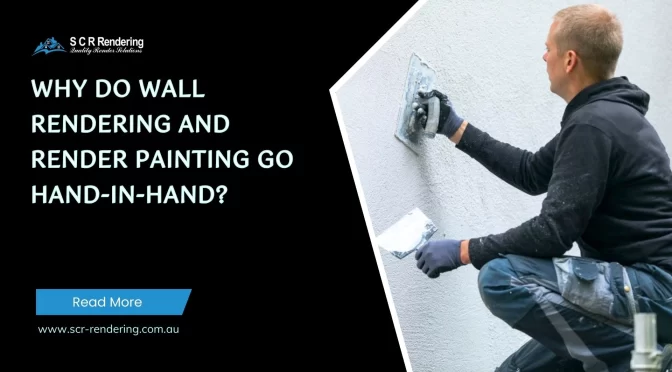
When it comes to protecting and enhancing Australian homes, wall finishes matter more than many people realise. From coastal humidity to harsh summer heat, our buildings face tough conditions year-round. That’s exactly why wall rendering and painting are often treated as a combined solution rather than separate jobs.
Understanding how these two processes work together can help homeowners make smarter, longer-lasting decisions.
What Is Wall Rendering?
Wall Rendering involves applying a specialised coating, usually cement-based, over brick or masonry surfaces. This process smooths out uneven walls, covers imperfections, and creates a strong protective layer. In Australian homes, rendering is widely used to modernise older properties and improve weather resistance.
Rendered walls also act as a foundation. Without proper finishing, the surface remains porous and vulnerable to moisture, staining, and cracking over time.
Why Rendering Alone Is Not Enough?
While rendering strengthens walls, it does not seal them completely. Unpainted render can absorb water, attract dirt, and fade under UV exposure. Over time, this can lead to surface deterioration and reduced visual appeal.
That’s where render painting becomes essential. Painting locks in the render, adds colour consistency, and significantly improves durability. Together, these processes create a complete exterior and interior wall system.
How Render Painting Completes the Job?
Once rendering has cured, paint acts as a protective shield. High-quality coatings reduce moisture penetration, resist mould growth, and help walls handle Australia’s changing climate. A professionally painted render surface also stays cleaner for longer and is easier to maintain.
For homes exposed to sun, wind, or coastal air, cement render surface painting is particularly valuable. It adds flexibility to the surface, reducing the risk of cracking while enhancing the overall finish.
Visual Appeal and Property Value
Rendering creates a sleek, contemporary look, but paint brings it to life. Colour choice can dramatically influence how a home feels, whether it’s a modern neutral palette or a bold architectural statement.
Well-finished, rendered, and painted walls often increase street appeal, making properties more attractive to buyers and tenants. This combination is now common in new builds, renovations, and commercial properties across Australia.
The Importance of Professional Application
Rendering and painting are technical processes that must be done in the correct order and under the right conditions. Poor preparation or incorrect products can lead to peeling, bubbling, or premature wear.
Working with render painting experts ensures surfaces are properly assessed, materials are compatible, and finishes last for years rather than seasons. Professional application also guarantees consistent texture, colour depth, and weather resistance.
A Smarter Long-Term Investment
When done together, rendering and painting reduce future repair costs, extend wall lifespan, and minimise ongoing maintenance. Instead of patch-up jobs, homeowners get a complete, durable solution that performs well in Australian conditions.
FAQs
What is the main difference between wall rendering and painting?
Wall rendering creates a smooth, protective surface, while painting seals, protects, and colours that rendered surface.
Do rendered walls always need to be painted?
Yes, painting is recommended to protect rendered walls from moisture, dirt, and UV damage over time.
Can you paint walls without rendering them first?
Painting can be done without rendering, but rendering improves surface strength, smoothness, and overall finish.
How long should you wait to paint after wall rendering?
Rendered walls usually need to cure for several weeks before painting to ensure proper adhesion and durability.
Does painting help prevent cracks in rendered walls?
Quality render paint adds flexibility, helping reduce minor cracking caused by temperature changes.
Is render painting suitable for Australian weather conditions?
Yes, when done correctly, render painting protects walls from heat, rain, humidity, and coastal conditions.
What type of paint is best for rendered surfaces?
Breathable acrylic or elastomeric paints are commonly used to allow moisture release while sealing the surface.
Does render painting increase property value?
Well-rendered and painted walls improve street appeal and can positively impact property value.
Can the old render be repainted without re-rendering?
If the render is in good condition, it can usually be cleaned, repaired, and repainted without re-rendering.
Why should professionals handle rendering and painting together?
Professionals ensure correct surface preparation, compatible materials, and a finish that lasts longer.
Final Thoughts
Wall rendering and render painting aren’t competing options—they’re complementary steps. One prepares and strengthens the surface, while the other protects and perfects it. When combined, they deliver stronger walls, better aesthetics, and long-term peace of mind for Australian homes.
That’s why you need to turn to render painters once you are done with cement rendering surfaces at your property in and around Brisbane. What better name can you turn to for rendering and painting than SCR Rendering Brisbane? With years of experience and some of the best rendering and painting experts, we are one of the most trusted names to turn to. Call us at 0422 983 942 or fill out the contact form and submit it.